

Indonesia Arrival Card Online: The Unified Digital System That Simplifies Your Arrival in Jakarta, Bali, and Beyond
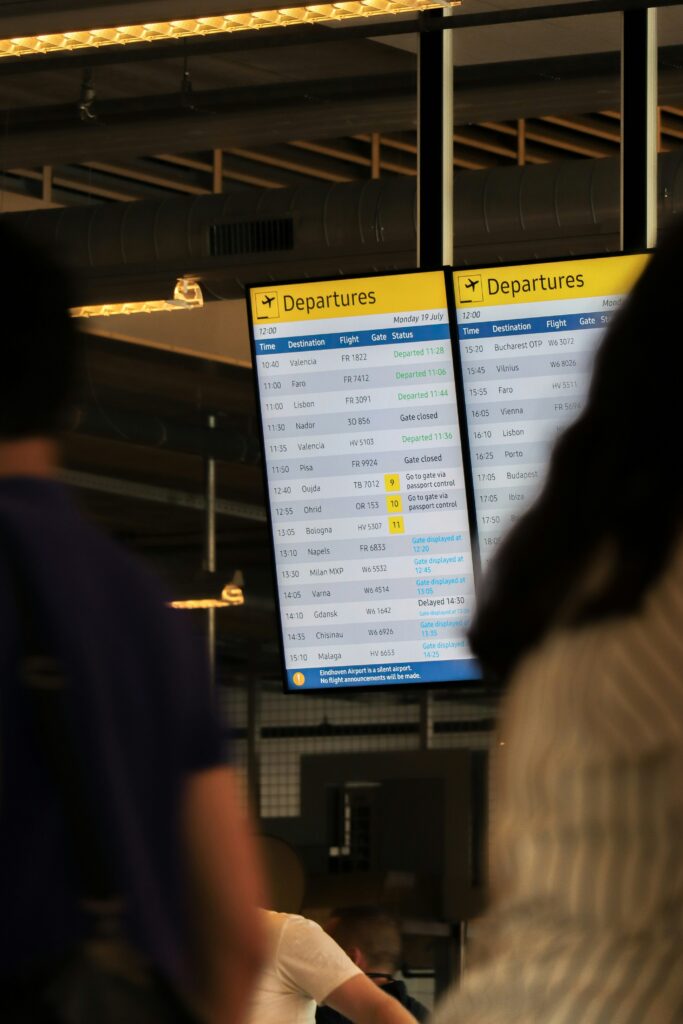
For years, international travelers arriving in Indonesia faced the common “paper juggle”: one form for immigration, a separate one for customs (e-CD), and recently, an Indonesia Arrival Card online pass for health (SATUSEHAT).
The Indonesian government has now solved this administrative headache by introducing the All Indonesia Arrival Card. This single, mandatory digital submission combines all three critical entry requirements into one streamlined process, significantly reducing confusion and saving time upon arrival.
Trevalo explains exactly what the All Indonesia Arrival Card replaces, detailing the three core sections you must complete to receive the single QR code required for entry.
🔑 Section 1: The Problem Solver — What Indonesia Arrival Card online Replaced
The All Indonesia Arrival Card (accessible via the official allindonesia.imigrasi.go.id portal) serves as the unified digital replacement for three separate, mandatory processes:
1. Replaced: The Old Immigration Arrival Card
- Function: Collected basic biographical and flight details (passport, flight number, duration of stay).
- New Location: Now contained in the Personal & Travel Details section of the All Indonesia Arrival Card. This information is used by the Directorate General of Immigration to grant your entry stamp (alongside your visa/e-VOA).
2. Replaced: The Electronic Customs Declaration (e-CD)
- Function: A separate digital form required by the Directorate General of Customs and Excise to declare goods, cash, and duty-free items.
- New Location: Now a mandatory part of the Customs Declaration section of the All Indonesia Arrival Card. This section must be completed even if you have nothing to declare, as it verifies your compliance with customs regulations.
3. Replaced: The SATUSEHAT Health Pass
- Function: An official app/website used by the Ministry of Health, primarily for COVID-19 and other communicable disease declarations.
- New Location: Now incorporated into the Health Declaration section of the All Indonesia Arrival Card. This ensures the authorities have a centralized record of your recent travel history and current health status.
THE KEY BENEFIT: You now only need to visit one website, fill out one form, and receive one QR code to satisfy all three governing bodies (Immigration, Customs, and Health).
📝 Section 2: The Three Mandatory Sections of the Unified Card
To successfully generate your single entry QR code, you must accurately complete all three integrated sections on the Arrival Card:
| Section Name | Details Collected | Key Purpose |
| 1. Personal & Travel Details | Passport data, full name, flight number, port of arrival (e.g., DPS, CGK), address in Indonesia. | Immigration & Biosecurity. Used to verify identity and track your movement and stay in the country. |
| 2. Health Declaration | Countries visited in the past 21 days, current physical symptoms (e.g., fever, cough, rash). | Public Health. Used for disease surveillance and to determine if additional health screening is required. |
| 3. Customs Declaration | Number of luggage pieces (accompanied and unaccompanied), declaration of restricted/taxable goods (cash $\ge$ IDR 100M, goods $\ge$ USD $500$). | Customs & Excise. Used to assess duty/tax liability and verify compliance with import laws. |
The Dual QR Code Scan
Upon arrival at major international hubs like Bali (DPS) or Jakarta (CGK), your single QR code will be used at two different checkpoints:
- Immigration Counter: The officer scans the code to quickly pull up your personal and travel data, and then issues your entry stamp.
- Customs Counter (After Baggage Claim): The Customs officer scans the same code to verify your goods and baggage declaration. If you declared anything taxable, you will be directed to the payment counter.
💡 Section 3: Compliance and the Single Point of Failure
The integration of these three steps into one system means a mistake in one section—particularly the Customs Declaration—can impact your entire entry process.
The IMEI Risk
- The Customs Declaration section is where you register the IMEI number(s) of any mobile devices (phones, tablets) purchased abroad specifically if they are valued over USD $500.
- Compliance: If you fail to register and declare an applicable device here, you risk having the device blocked from using local Indonesian SIM cards after a short period (typically 90 days), even though you successfully cleared immigration.
- Action: Always have your device IMEI numbers ready before submitting the Arrival Card.
Submission Timing is Crucial
- The 72-Hour Rule is in place because the data must be fresh enough to meet Health Declaration standards (which rely on recent symptom information) and Customs standards (which rely on the contents of your luggage on the day of travel).
- Rule: Submitting too early may cause your card to expire; conversely, submitting too late forces you to use the airport kiosks, thereby defeating the purpose of the fast-track digital system.